This documentary work is for the people who were never meant to be footnotes.

If your life doesn’t exist in usual archives, or history books, this project is an invitation; to be seen, on your terms. Leaving an indelible mark on the landscape of tomorrow.


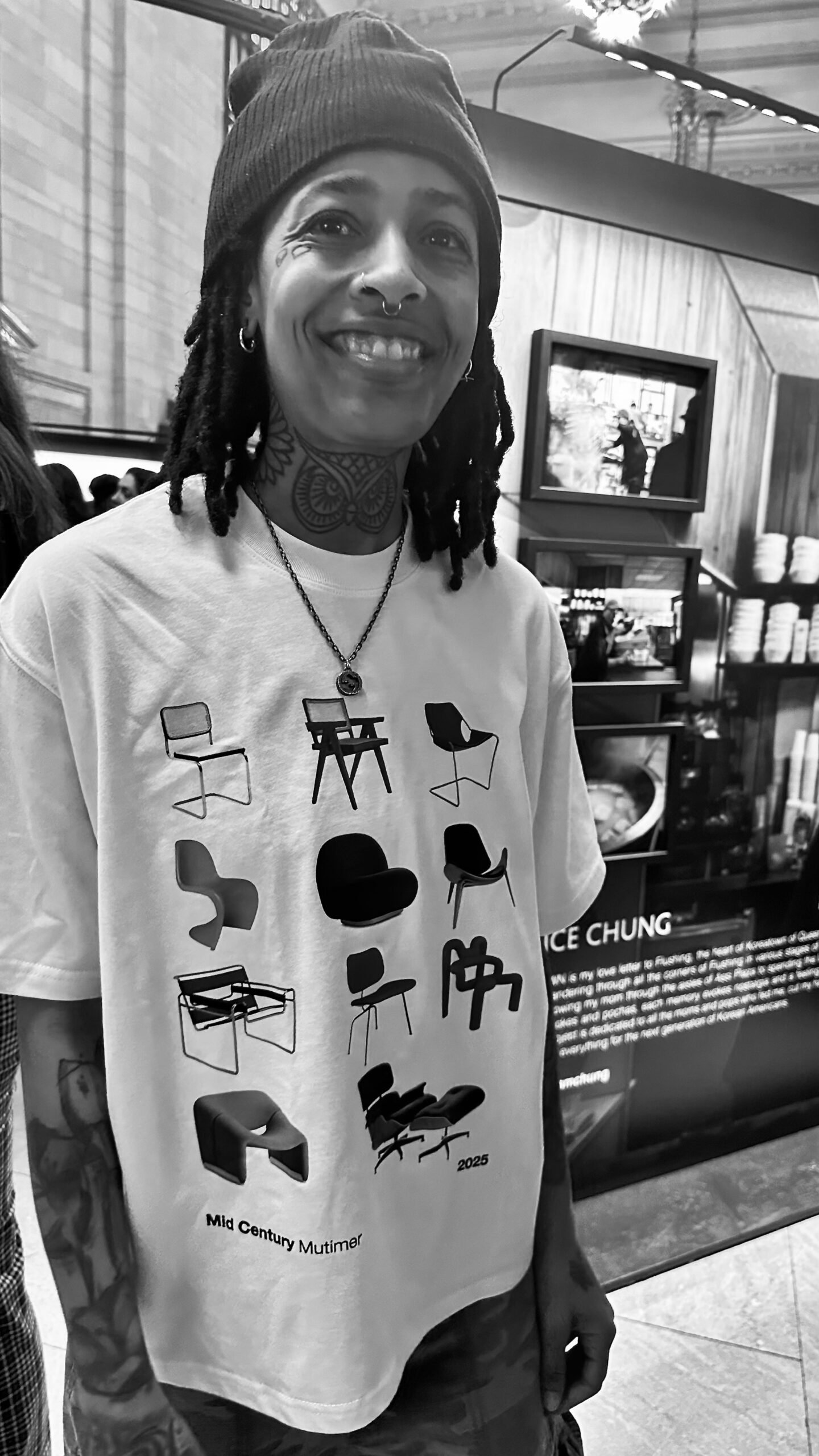
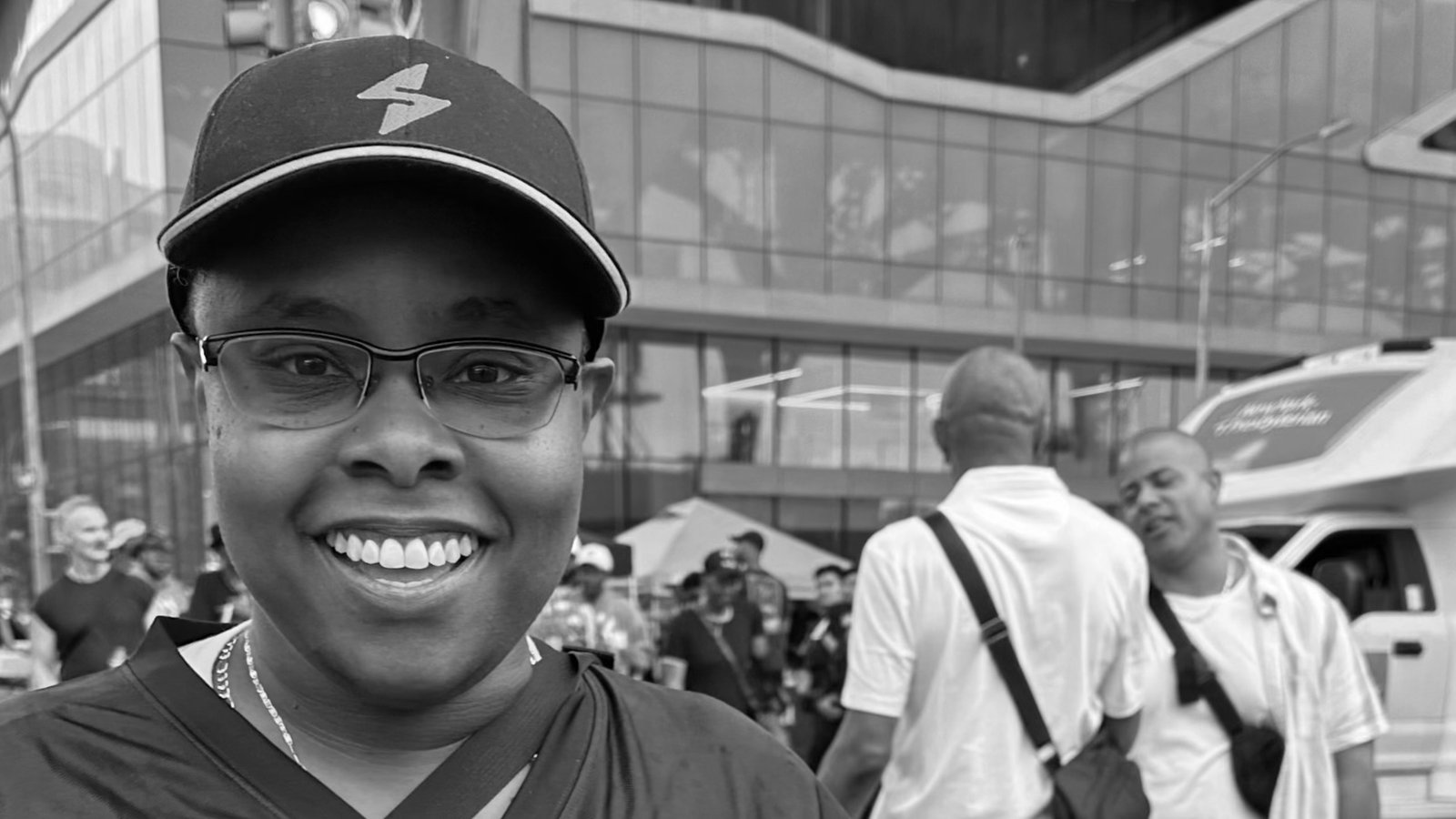
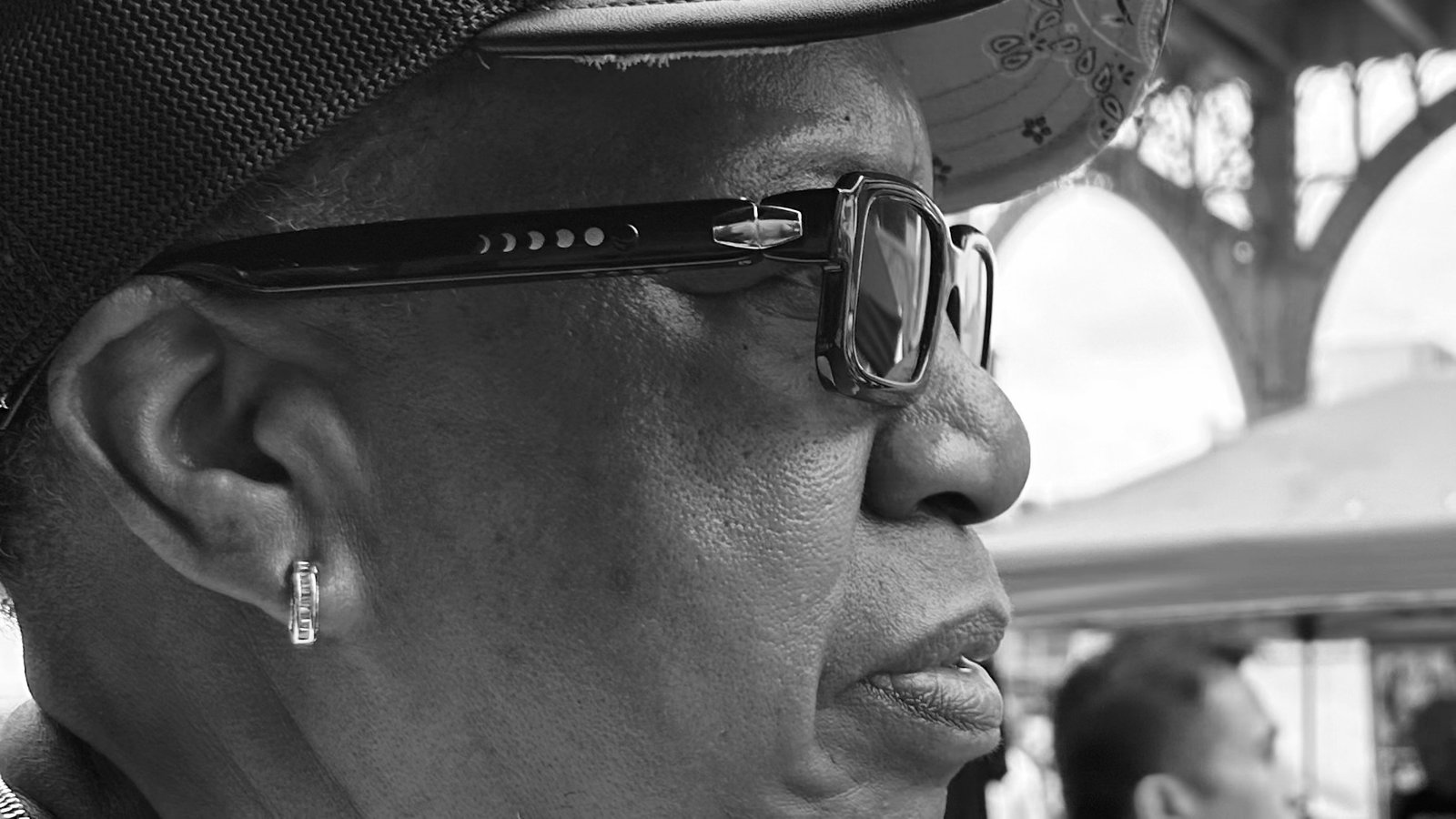
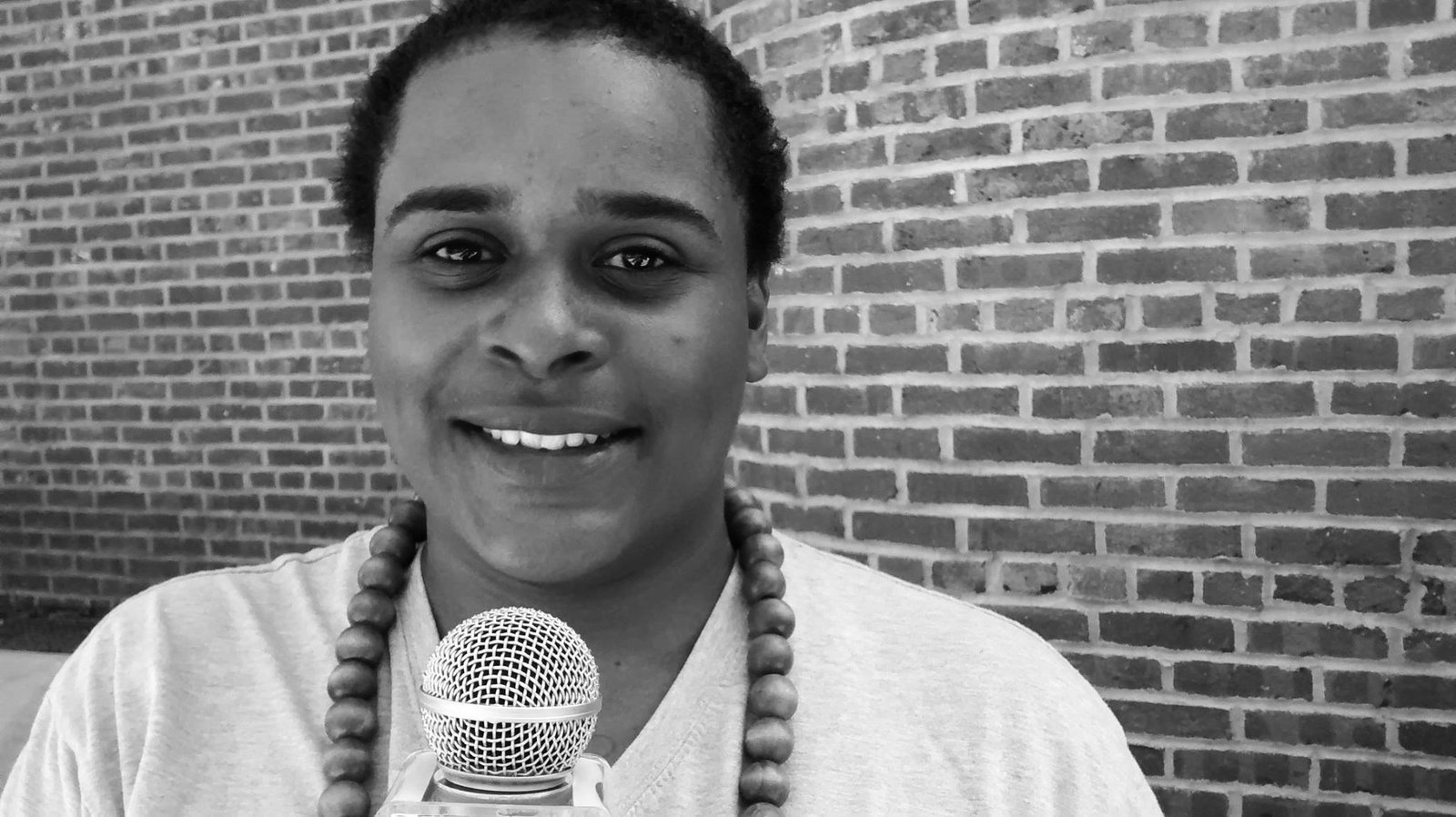
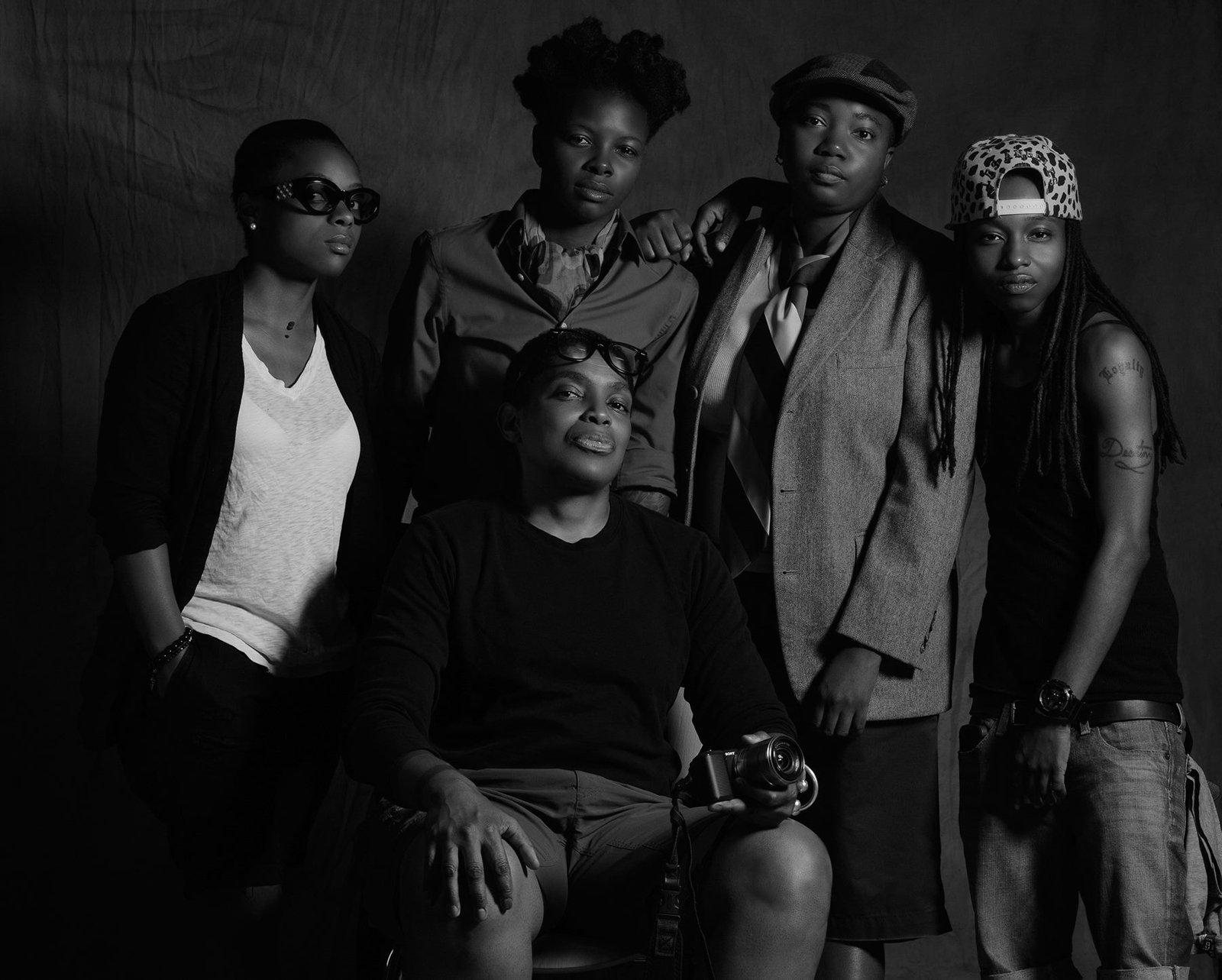
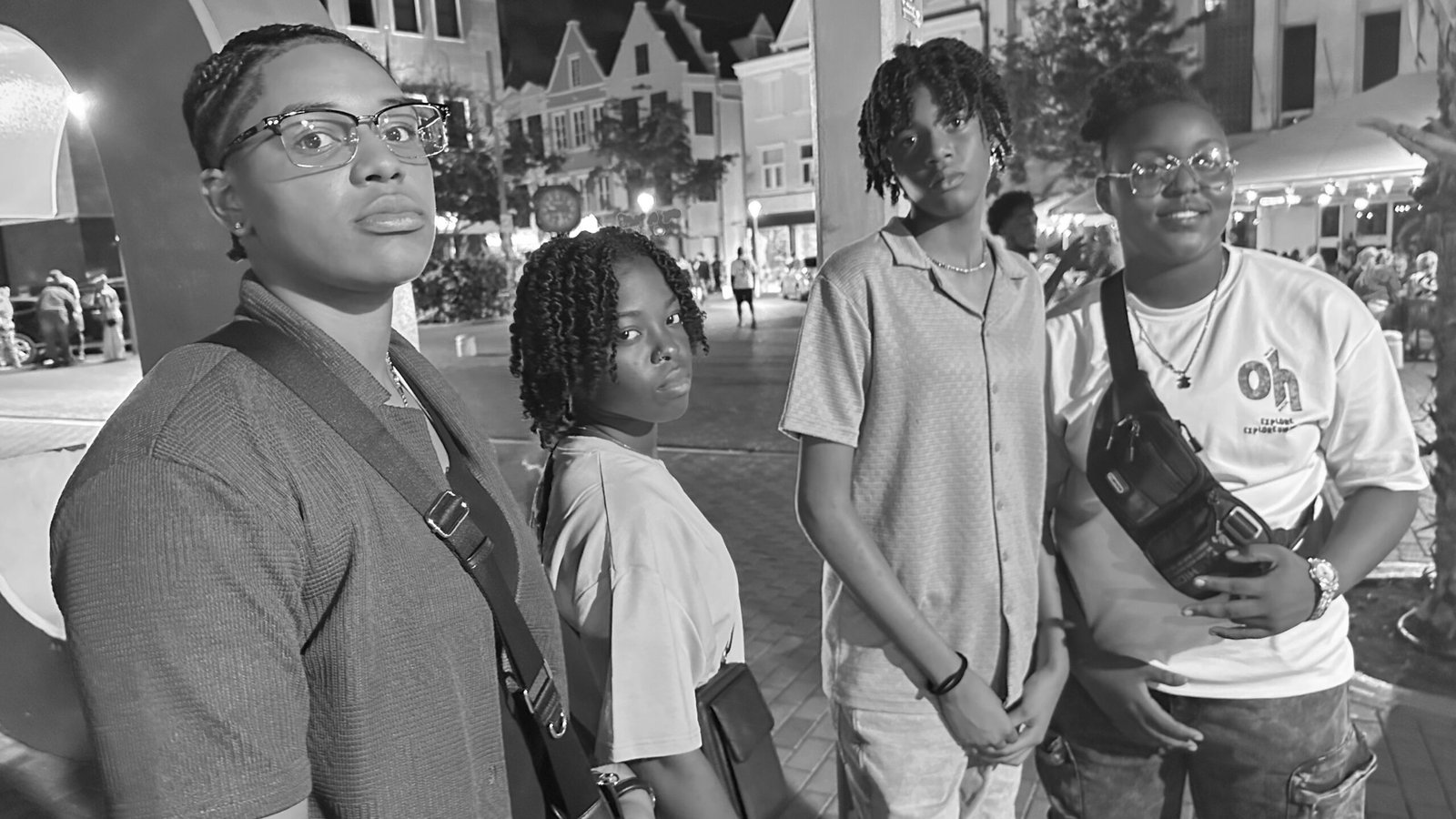
My work is a visual archive of women—whose presence is read as masculine; images where their stance, not stereotypes about them, takes center stage.
MasculineUS Project is a documentary photography practice devoted to the lives that rarely make the frame—and the people who refuse to disappear. Led by photographer and visual anthropologist Sheba Legend, the work centers African diasporic identities and masculine-presenting women whose presence challenges the narrow ways gender and power are usually seen. Across decades of fieldwork, assignments, and personal projects, MasculineUS builds slow, trust-based relationships: time on stoops and in kitchens, on subway platforms and bus stops, in church basements and barbershops—long enough for the performance to fall away and for people’s real posture to show up.
At the heart of the project is a simple conviction: masculinity is not owned by men. It’s a way of standing, sitting, leaning, looking back. It lives in the woman whose feet are planted wide on the train, in the auntie who directs an entire block from her folding chair, in the mother whose work boots hit the pavement before sunrise. These are bodies that the world often misreads as “too much”—too strong, too direct, too hard to fit inside a polite idea of femininity. MasculineUS treats that misreading as a starting point, not a conclusion. Through portraits and field notes, it lingers on the gap between how someone is seen and how they understand themselves, asking how race, gender, class, and migration histories shape that gap.
The practice is deliberately slow. Before the camera comes out, there are conversations. Before the portrait, there is shared time: riding the bus together, sitting through a shift, listening to how someone talks about their day, their body, their past. Some stories unfold over years, not hours. That pace leaves marks in the work. Photographs are not trophies taken from a distance; they feel like a continuation of a conversation that was already happening. You see it in the way someone leans into the lens instead of bracing against it, or in the way hands rest—easy, unposed—on thighs, railings, steering wheels.
The result is not just images, but shared stories: portraits of dignity, intimacy, and everyday life that carry the texture of real time spent in real communities. A frame might hold a quiet domestic moment—a head resting on a shoulder in a cramped apartment—or a public one, like a figure holding ground in a crowded station. In both cases, the point is the same: to record how people inhabit their own strength without apology. Over time, these photographs, journal entries, and field notes accumulate into an archive that says: these lives were here, these bodies took up space, and their way of being in the world deserves to be remembered on its own terms.

Your story, our Canvas
Where your vision becomes the blueprint, and our craft turns it into lived, lasting space.
Meet Sheba Legend
MasculineUs Project is an ongoing media-based research project.
The work focuses on women—particularly women of color—whose posture, bearing, and way of moving through the world are read as masculine, authoritative, or “too much” in spaces that expect softness and compliance.
Instead of asking these women to shrink, MasculineUS treats their stance as a story in itself:
the squared shoulders, the direct eye contact, the relaxed slouch that says I’m not here to perform for you.
Through long-form photographic essays, field notes, and interviews, MasculineUS builds a visual record of these lives as they are actually lived—at work, at home, in community, in motion.
Sheba Legend is a documentary photographer and visual researcher whose work sits at the intersection of image-making, anthropology, and lived experience.
She grew up fascinated by the women who seemed to bend any room around them: aunties in crisp suits, coaches and organizers with firm voices, friends who never learned how to “soften” for someone else’s comfort. They weren’t always seen as leaders, but their posture said otherwise.
MasculineUS grew from that fascination into a focused practice.
Sheba documents:
• Women of color who move with a traditionally “masculine” stance—confident, grounded, unapologetic.
• Everyday moments where that posture shows up: on the job, in family spaces, on the street, in silence.
• The gap between how these women feel inside, and how they’re read from the outside.
Alongside her photographic work, Sheba is developing MasculineUs as part of a university thesis, bringing visual anthropology methods into conversation with questions of gender, race, power, and representation—at a level legible to academic and policy-making spaces.

These images exist thanks to the women, communities, and organizations that believe representation should be honest and dignified.


FAQs
What is MasculineUS Project ?
MasculineUS Project is a documentary photography and visual research project led by Sheba Legend.
The work focuses on women—particularly women of color—whose posture, bearing, and way of moving through the world are read as masculine, authoritative, or “too much” in spaces that expect softness and compliance.
Instead of asking these women to shrink, MasculineUS treats their stance as a story in itself:
the squared shoulders, the direct eye contact, the relaxed slouch that says I’m not here to perform for you.
Through long-form photographic essays, field notes, and interviews, MasculineUS builds a visual record of these lives as they are actually lived—at work, at home, in community, in motion.
Why the name “MasculineUS”?
MasculineUS Project points to a specific and often overlooked space: masculine-presenting women, nonbinary folks, and gender-expansive people—especially within Black and diasporic communities. The name is a reminder that masculinity is not owned by one gender and that our stories deserve to live in the visual record.
What MasculineUS Project Documents?
MasculineUS Project is a documentary photography and visual research project led by Sheba Legend.
The work focuses on women—particularly women of color—whose posture, bearing, and way of moving through the world are read as masculine, authoritative, or “too much” in spaces that expect softness and compliance.
Instead of asking these women to shrink, MasculineUS treats their stance as a story in itself:
the squared shoulders, the direct eye contact, the relaxed slouch that says I’m not here to perform for you.
Through long-form photographic essays, field notes, and interviews, MasculineUS builds a visual record of these lives as they are actually lived—at work, at home, in community, in motion.
Sheba Legend is a documentary photographer and visual researcher whose work sits at the intersection of image-making, anthropology, and lived experience.
She grew up fascinated by the women who seemed to bend any room around them: aunties in crisp suits, coaches and organizers with firm voices, friends who never learned how to “soften” for someone else’s comfort. They weren’t always seen as leaders, but their posture said otherwise.
MasculineUS grew from that fascination into a focused practice.
Sheba documents:
• Women of color who move with a traditionally “masculine” stance—confident, grounded, unapologetic.
• Everyday moments where that posture shows up: on the job, in family spaces, on the street, in silence.
• The gap between how these women feel inside, and how they’re read from the outside.
Alongside her photographic work, Sheba is developing MasculineUS as part of a university thesis, bringing visual anthropology methods into conversation with questions of gender, race, power, and representation—at a level legible to academic and policy spaces.
Do I have to be publicly identifiable to participate?
No. You can choose the level of visibility that feels safe:
• Fully identifiable (face and name)
• Visually identifiable but unnamed
• Partially obscured or anonymized
• Audio-only or text-only contributions
Visibility is always negotiated and can be revisited.
Are you documented?
This project sits at the intersection of visual anthropology, gender studies, and human rights. I’m inviting participants whose lived experiences can challenge and deepen the way institutions talk about gender, culture, and queerness.
You can take part through portraits, conversations, audio, or other forms of collaboration—always with clear consent and the option to define your level of visibility.